
Silicon carbide (SiC/SSiC) – high-performance ceramics for extreme conditions
Silicon carbide (SiC) is one of the most important high-performance ceramics in industry. The material combines extreme hardness, very high temperature resistance and excellent chemical resistance with a comparatively low density. This combination of properties makes SiC particularly suitable for applications in which metals fail due to wear, corrosion or temperature stress and plastics reach their mechanical limits.
Within the silicon carbide family of materials, KYOCERA Fineceramics Europe GmbH primarily uses two variants:
- Sintered silicon carbide (SSiC) as a densely sintered, maximum load-bearing ceramic for the highest mechanical, chemical and thermal stresses.
- Silicon-infiltrated silicon carbide (SiSiC) as a reaction-bonded SiC variant with excellent dimensional stability, ideal for complex and large-scalecomponents.
SSiC is usually the material of choice for applications involving extreme temperatures, high strength and maximum density, while SiSiC plays to its strengths in dimensionally critical, complex geometries.
Manufacturing principle – densely sintered high-performance ceramics (SSiC)
Sintered silicon carbide (SSiC) is produced in a sintering process at temperatures above 2,000 °C. The result is an almost completely dense material with a density of over 99%.
The result:
- Virtually pore-free microstructure
- High flexural strength and compressive strength
- Exceptional hardness
- Pronounced chemical resistance to many aggressive media
SSiC remains dimensionally stable even under extreme thermal and mechanical conditions and is therefore suitable for components that are permanently exposed to high loads.
Comprehensive SiC material expertise
As part of the global Kyocera Group, KYOCERA Fineceramics Europe GmbH has decades of experience in the development and manufacture of silicon carbide ceramics. Our experts will assist you in selecting the right silicon carbide material and designing your components.
You are interested in our products, or have a specific project enquiry?
Application in demanding environments
Its combination of strength, dimensional stability and corrosion resistance makes SSiC indispensable in a wide range of industries:
Semiconductor industry
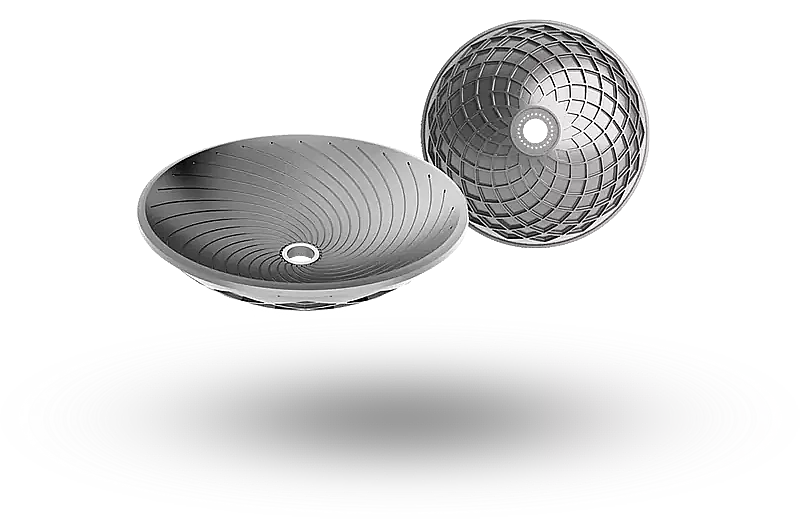
In semiconductor manufacturing, maximum dimensional stability and thermal resistance are crucial. SSiC is used for components that must tolerate very high thermal, chemical or mechanical stresses.
Typical applications:
- Components in thermal process steps
- Structural and support components
- Components in plasma applications
Material processing and chemical industry
SiC is valued in chemical and process engineering plants due to its corrosion and wear resistance.
Typical applications:
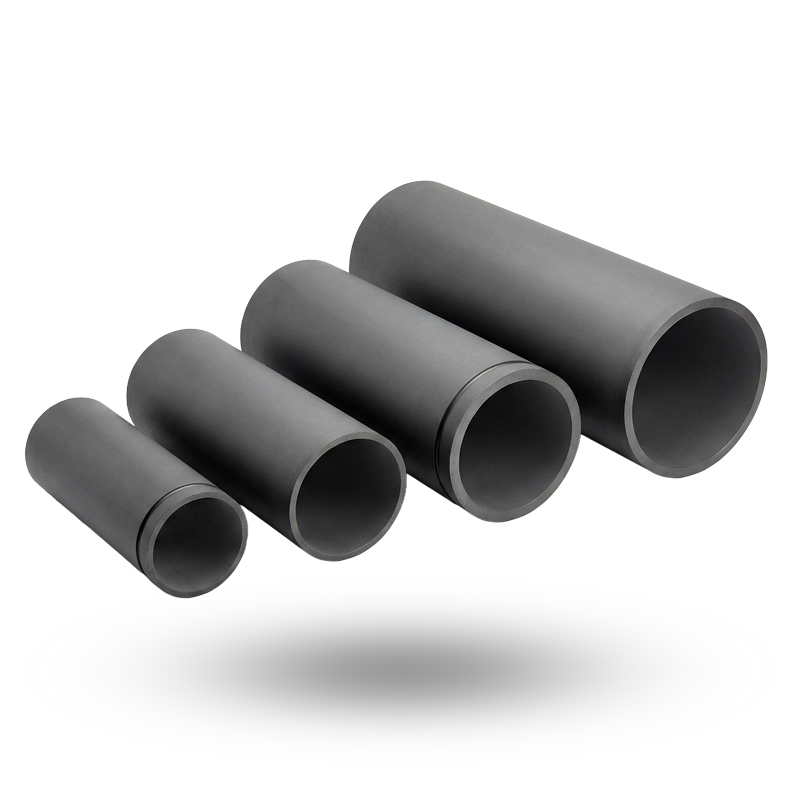
- Reaction tubes and radiation tubes
- Nozzles, valve inserts, diffusers
- Components in highly corrosive or abrasive media
- Milling cylinders, roller shells, tubes and linings
SiC offers long service life and process reliability in environments where metallic materials quickly reach their limits.
Energy and environmental technology
Silicon carbide is particularly suitable for applications involving high temperatures, thermal cycles and aggressive exhaust gases.
Typical applications:
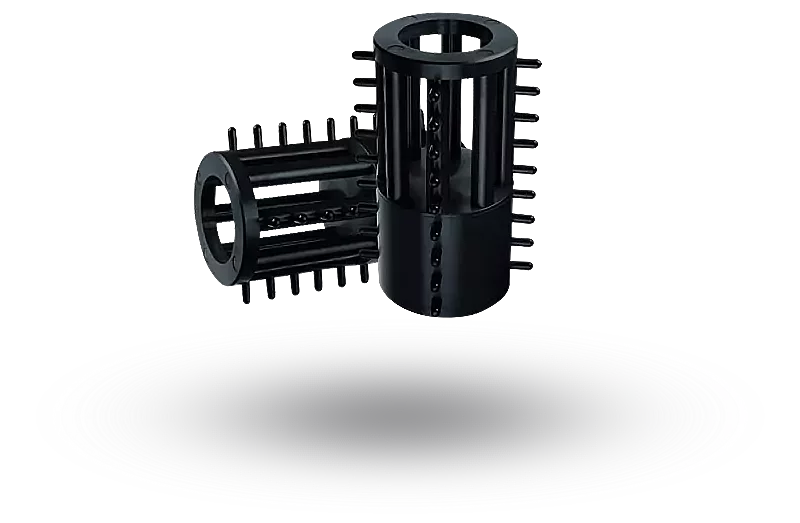
- Components in exhaust systems
- Heat exchanger components
- Filter housings, support plates and heat-stressed structural components
Mechanical engineering
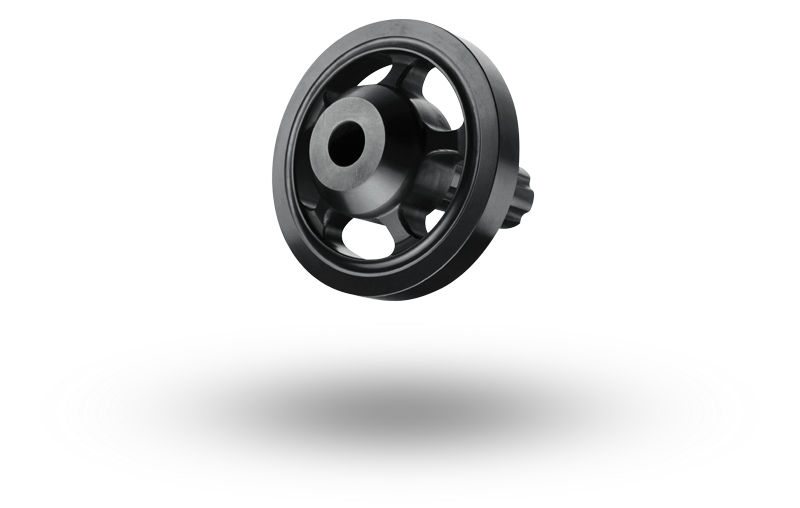
In mechanical and plant engineering, SSiC offers clear advantages at high sliding speeds, with abrasive media and in tribologically demanding processes.
Typical applications:
- Plain bearings, sliding rings, mechanical seals
- Pump and compressor components
- Mill and mixer elements, wear parts
SiC reduces maintenance requirements and significantly increases the service life of machines.
Automotive industry
SiC is increasingly being used as a lightweight and functional material in high-temperature and wear-prone areas of automobiles.
Typical applications:
- Exhaust gas aftertreatment and exhaust gas treatment components
- Structural and functional parts with high temperature and strength requirements
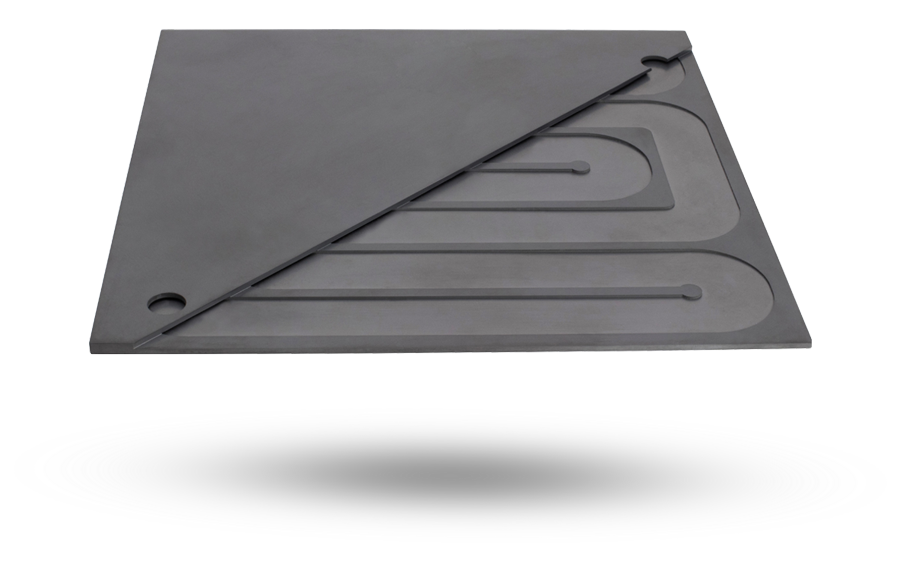
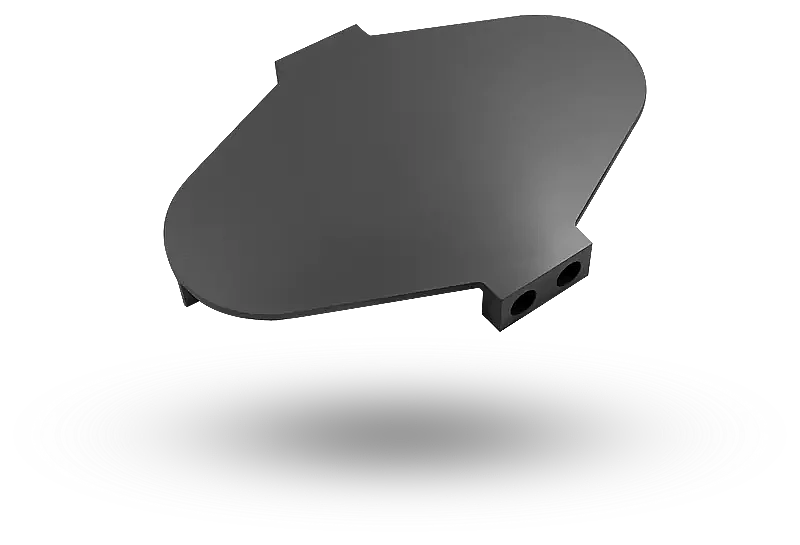
Aerospace
Silicon carbide offers significant advantages in applications where low weight, high rigidity and thermal shock resistance are required.
Typical applications:
- Precision optical and structural components
- Components subject to high thermal stress
- Lightweight, rigid support structures for highly dynamic systems
Advantages of silicon carbide (SiC/SSiC) at a glance
- Extremely hard and wear-resistant – ideal for abrasive media and high mechanical loads
- High temperature and oxidation resistance – dimensionally stable even at high temperatures
- Chemically inert to many media – suitable for aggressive, corrosive environments
- Very good thermal conductivity with low density – lightweight and thermally conductive at the same time
- Low electrical conductivity – suitable for electrical separation
- Long service life and low maintenance – higher plant availability and reduced operating costs compared to metallic materials
SSiC or SiSiC? – The right SiC material for your application
Typical strengths of SSiC:
- Highest density and strength
- High temperature resistance up to approx. 1,600 °C in oxidising atmospheres
- Excellent chemical resistance, e.g. in the chemical and process industries
Typical strengths of SiSiC:
- Reaction-bonded material with very high dimensional stability
- No shrinkage during infiltration
- Particularly suitable for large and complex components, also in additive manufacturing if required
Which variant is more suitable depends on the temperature level, component geometry, media resistance and economic requirements.
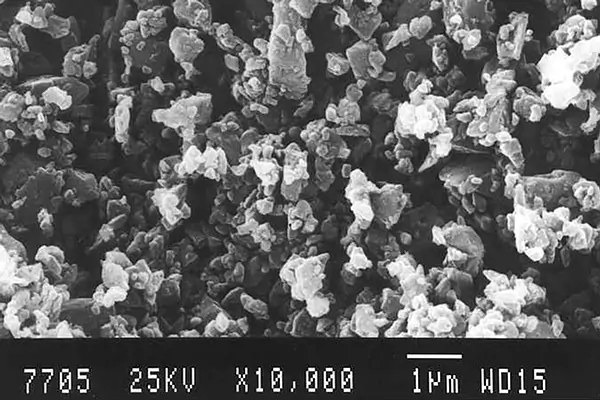
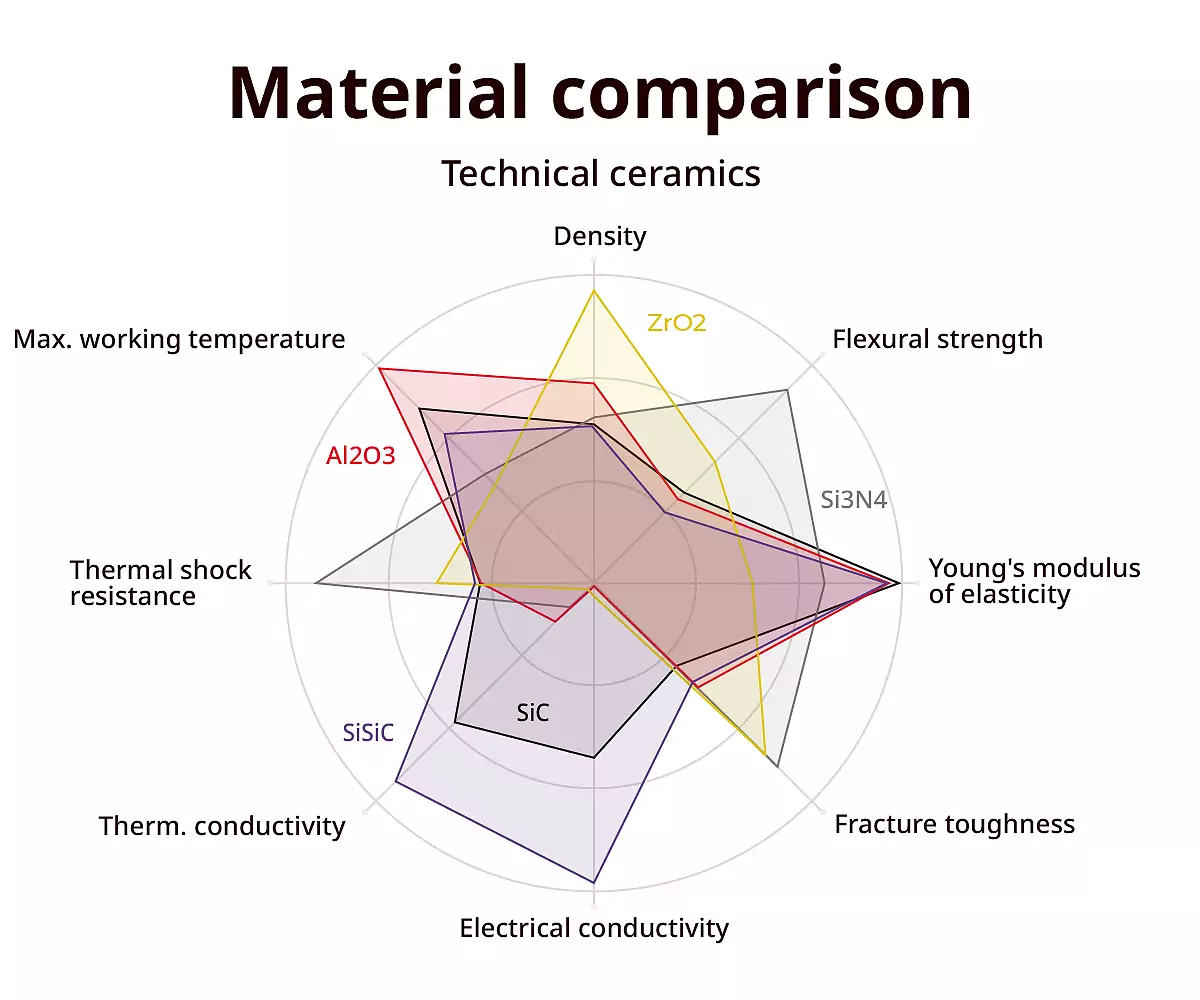
Properties of silicon carbide compared to other ceramic materials
FAQ
Yes. Due to its high strength, hardness and wear resistance, SSiC is ideal for components subject to high mechanical loads, such as seals, bearings, nozzles and pump components.
In many applications, silicon carbide can withstand temperatures of up to around 1,600 °C without significantly losing its mechanical properties or dimensional stability. The specific permissible temperature range depends on the application medium and the operating environment.
SSiC is significantly harder than steel, does not oxidise, retains its shape even at high temperatures and does not exhibit plastic deformation or classic material fatigue like metals. This significantly increases service life and process reliability.